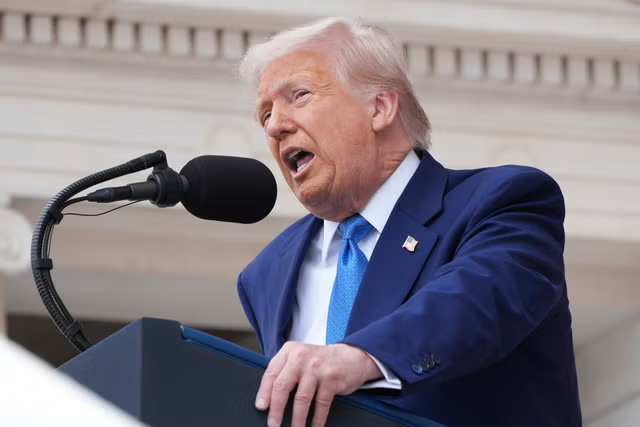
On May 28, 2025, President Donald Trump proposed capping international student enrollment at Harvard University to 15%, down from the current 27.2%. He argued that this measure would prioritize American applicants and reduce foreign influence on campus. This proposal is part of a broader campaign by the Trump administration targeting elite universities, particularly Harvard, over issues such as antisemitism, diversity policies, and alleged ties to foreign governments.
In addition to the proposed cap, the administration has taken several actions against Harvard:
Revocation of International Student Enrollment Authority: The Department of Homeland Security announced that Harvard’s certification under the Student and Exchange Visitor Program (SEVP) was revoked, effectively barring the university from enrolling international students for the 2025–26 academic year.
Demand for Student Information: The administration has demanded that Harvard provide detailed records of its international students, including information about their activities and coursework.
Freezing of Federal Funds: The federal government has frozen approximately $2.3 billion in research funding to Harvard, citing the university’s non-compliance with administrative demands.
Harvard has challenged these actions in court, arguing that they constitute an unlawful overreach of government authority and violate the university’s rights. A federal judge has issued a temporary restraining order blocking the revocation of Harvard’s SEVP certification, allowing the university to continue enrolling international students while the legal proceedings continue.
These developments have sparked significant concern among international students and academic institutions, with critics arguing that such policies undermine the United States’ reputation for educational excellence and openness. China has formally protested the U.S. decision, stating that it damages international educational and cultural exchanges.