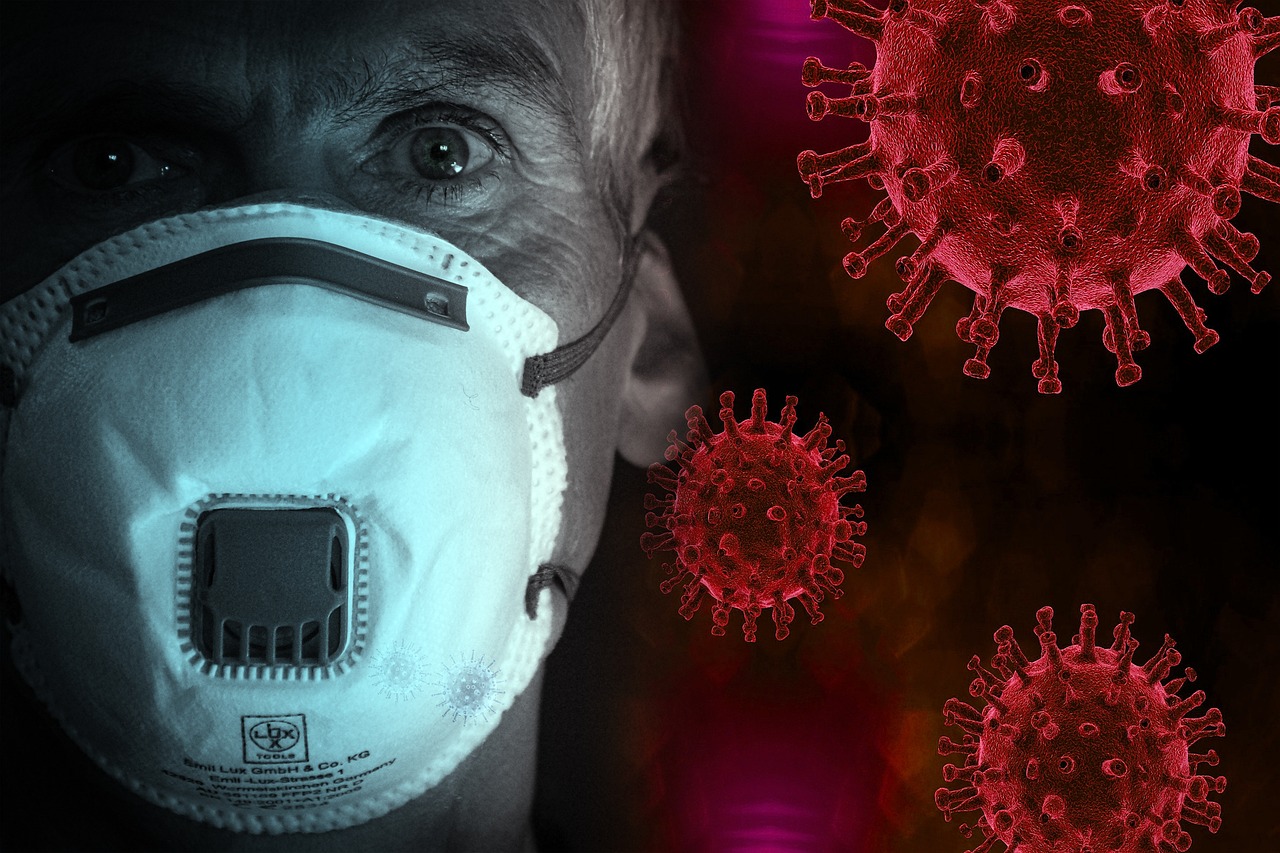
As of May 31, 2025, India is experiencing a gradual resurgence in COVID-19 cases, prompting serious concern among health authorities. With active infections crossing 2,700 nationwide, the central government has advised states to prepare for potential localized outbreaks and remain vigilant.
COVID-19: State-Wise Spike in Cases
The latest data reveals a concentration of cases in certain regions:
-
Kerala: Leading with 1,147 active cases, Kerala’s health department is conducting mass testing and has reinstated mask advisories in public places.
-
Maharashtra: Reports 424 active cases, including 172 in Mumbai. Health officials have requested that citizens avoid unnecessary travel and monitor their symptoms closely.
-
Delhi: Hospital admissions are slightly increasing with 294 current patients. Complications have sent 19 people to the hospital thus far.
In total, seven COVID-related deaths have been reported recently across various states, primarily involving patients with pre-existing medical conditions.
New Variants: NB.1.8.1 & LF.7
India’s genome surveillance consortium INSACOG, has flagged two new COVID-19 variants:
-
NB.1.8.1: Under careful study, initially discovered in Tamil Nadu.
-
LF.7: Detected in Gujarat, with four known cases.
Though there is no immediate indication of increased severity, these variants are being watched globally due to similar upticks in other Asian countries.
Are These Variants Dangerous?
While there is no evidence yet of increased hospitalization or fatality rates due to these variants, health experts advise caution. Dr. Randeep Guleria, former AIIMS director, has said:
“These new variants are likely to behave like Omicron—highly transmissible but milder in severity. Vaccination remains key.”
Government Directives & Advisory
New guidelines released by the Union Health Ministry instruct states to:
-
Increase RT-PCR testing, especially for symptomatic individuals.
-
Monitor hospital bed availability, oxygen supplies, and medicine stockpiles.
-
Submit a preparedness report by June 2, 2025.
-
Avoid over-prescription of antibiotics and steroids.
-
Promote COVID-appropriate behavior, especially in crowded or closed spaces.
Special advisories have been issued for vulnerable populations like senior citizens, pregnant women, and those with chronic diseases.
Vaccination & Immunity
Experts suggest that booster doses, especially for the elderly, are still effective in preventing severe illness. India continues to promote vaccination through the CoWIN platform, and mobile booster camps have resumed in urban hotspots.
If you haven’t yet received a booster or precautionary dose, now may be the time to consult your doctor or visit the nearest vaccination center.
Public Sentiment & Mental Health
With the memory of past waves still fresh, this rise in numbers has caused anxiety among some citizens. However, doctors urge the public not to panic, but to stay informed and responsible.
Mental health professionals recommend:
-
Avoiding misinformation from non-official sources
-
Limiting doom-scrolling or overexposure to negative news
-
Staying socially connected while maintaining precautions
What Can You Do?
-
Wear a mask in crowded or poorly ventilated areas
-
Wash or sanitize your hands frequently
-
Maintain social distancing wherever possible
-
Self-isolate if symptomatic, and get tested
-
Follow government advisories without panic
Final Thoughts
India’s healthcare system is better prepared than ever, but public cooperation remains crucial. Whether these rising numbers lead to another significant wave or flatten out depends on how seriously we take prevention today.
Stay safe, stay alert, and stay informed through reliable sources.