On the afternoon of April 23, 2025, the tranquil tourist haven of Pahalgam was jolted by gunfire as a group of heavily armed militants launched a surprise attack near a popular market. Eyewitnesses described the chaos as bullets flew and explosions shook the area.
At least 11 people were killed, including 4 civilians and 7 security personnel, with more than 20 injured. The Indian Army and local police acted swiftly, neutralizing two of the attackers on the spot. A search operation is ongoing to locate others who may have escaped into nearby forested areas.
Pahalgam isn’t just another town in Kashmir—it’s a symbol of peace, tourism, and cultural heritage. Located in the Anantnag district, it draws thousands of visitors for its scenic beauty and as a key stop during the annual Amarnath Yatra pilgrimage.
Attacking Pahalgam is seen as a calculated move by militants to:
Destabilize tourism, which is vital to Kashmir’s economy.
Undermine security confidence ahead of the 2025 tourist season.
Draw international attention by targeting a high-profile, peaceful location.
🇮🇳 India’s Multi-Layered Response
India has launched a multi-pronged counterstrategy, both domestically and diplomatically.
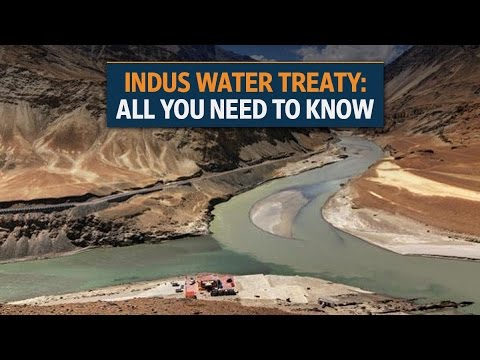
1. Suspension of the Indus Waters Treaty
Signed in 1960 with Pakistan, the treaty governs the use of rivers flowing from India to Pakistan.
India’s suspension sends a strong geopolitical signal, with experts saying it could alter South Asia’s water dynamics.
2. Sealing of the Attari Border
Trade and civilian transit have been halted indefinitely at the Attari-Wagah border.
Intelligence sources cite credible threats of infiltration and logistical support to terror groups.
3. Heightened Military Readiness
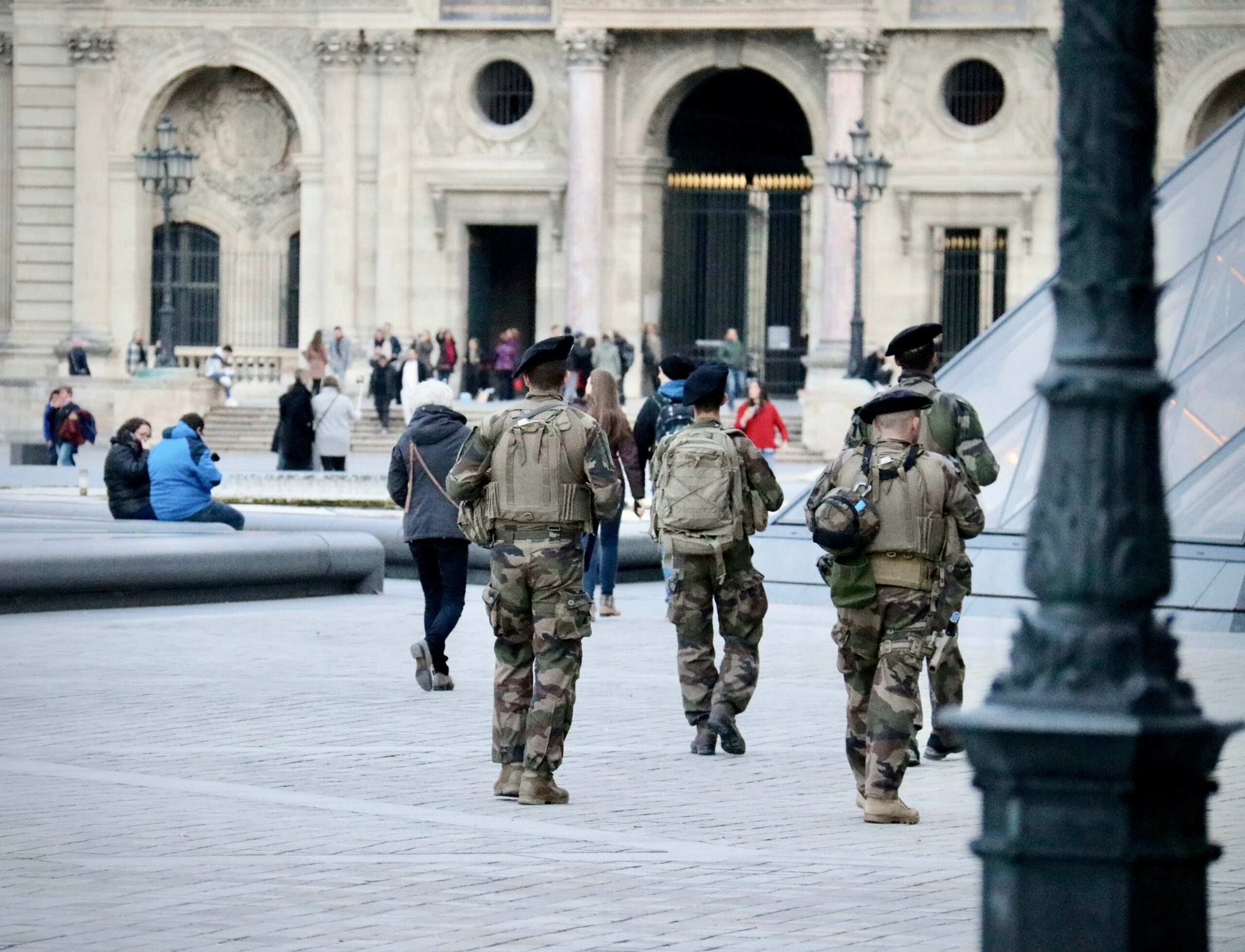
Indian Armed Forces have been placed on high alert along the Line of Control (LoC).
Increased troop movement and surveillance drones have been deployed in Jammu & Kashmir, Punjab, and Rajasthan.
4. Diplomatic Offensive
The Indian government has summoned foreign envoys and briefed ambassadors from key nations including the US, UK, EU, and Gulf countries.
India is preparing to raise the issue at the UN General Assembly, pressing for action against cross-border terror networks.
Voices from the Ground
The attack has left families devastated. A local vendor whose son was injured said:
“He was just helping me pack up the stall when the firing began. I still don’t know how he survived.”
Social media is overflowing with messages of solidarity, tribute videos, and calls for stronger action. Prominent Bollywood celebrities and cricketers have also condemned the attack.
A Turning Point in India-Pakistan Relations?
Experts believe the Pahalgam attack may mark a new phase in Indo-Pak relations:
Tensions are escalating with India’s reversal of diplomacy-first policies.
International pressure may increase on Pakistan to act against non-state actors operating from its territory.
There’s also speculation of covert retaliatory operations—a strategy India has used before post-Uri and Pulwama attacks.
Global Reaction
United Nations: Called for restraint but acknowledged India’s right to self-defense.
U.S. State Department: Condemned the attack and offered intelligence cooperation.
France & UK: Expressed solidarity and urged coordinated anti-terror efforts.
OIC: Issued a neutral statement, which India criticized for not naming the attackers.
Unity in Crisis
In moments like this, India unites—across politics, religions, and regions. Whether it’s citizens lighting candles in Delhi or security forces standing guard in Srinagar, the nation stands tall in the face of adversity.
India’s message to the world is loud and clear:
“We will mourn, but we will not be shaken. We will respond, and we will endure.”
🇮🇳 Pahalgam Terror Attack: India Responds Firmly and Decisively