Background: The Indus Waters Treaty (1960)
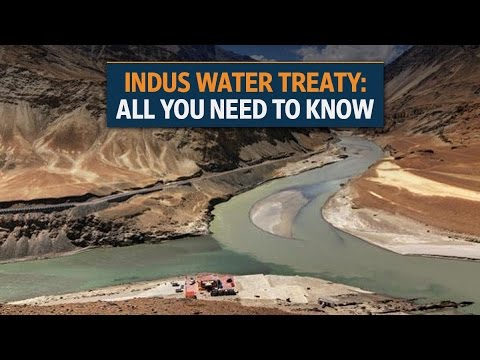
The Indus Waters Treaty (IWT) was signed in 1960 between India and Pakistan, brokered by the World Bank. It governs the use of water from six rivers that flow through both countries:
-
Western Rivers (allocated to Pakistan): Indus, Jhelum, and Chenab
-
Eastern Rivers (allocated to India): Ravi, Beas, and Sutlej
Under the treaty:
-
Pakistan gets unrestricted use of the western rivers.
-
India can use these rivers for non-consumptive needs (like irrigation, hydropower, and transport), but cannot divert their flow.
What Sparked the Water Conflict?
Tensions between India and Pakistan have historically flared up due to terrorism, border skirmishes, and political rivalries. The concept of a “water strike” came up notably after:
-
The Uri attack (2016) in which 19 Indian soldiers were killed by Pakistan-based terrorists.
-
In response, Indian PM Narendra Modi said, “Blood and water cannot flow together,” suggesting a possible rethinking of the treaty.
India began reviewing the treaty and fast-tracking dam projects that were within the treaty’s legal framework but had been delayed.
Key Developments After 2016
1. Dams and Projects
India accelerated several hydroelectric projects in Jammu and Kashmir on rivers flowing into Pakistan:
-
Kishanganga Dam (on the Neelum River, a tributary of Jhelum) – Commissioned in 2018
-
Ratle Hydroelectric Project (on Chenab River) – Approved in 2020
Pakistan objected, fearing water shortage, but these are run-of-the-river projects—allowed under IWT.
2. Diversion of Eastern Rivers
India has aimed to utilize its full share of the eastern rivers by:
-
Building storage, canals, and barrages.
-
Projects like the Shahpur Kandi Dam and Ujh Multipurpose Project are intended to stop “wasteful” flow of Indian waters into Pakistan.
3. Treaty Review
-
India notified Pakistan in January 2023 of its intention to modify the treaty, citing obstruction by Pakistan in the dispute resolution process.
-
India has accused Pakistan of misusing the treaty to delay projects.
Global and Environmental Perspective
-
While India is within its rights under the treaty, any perceived aggression could increase regional tensions.
-
Experts warn that weaponizing water could backfire diplomatically and cause ecological harm.
-
Water scarcity is already an issue in both countries due to climate change, poor water management, and population growth.